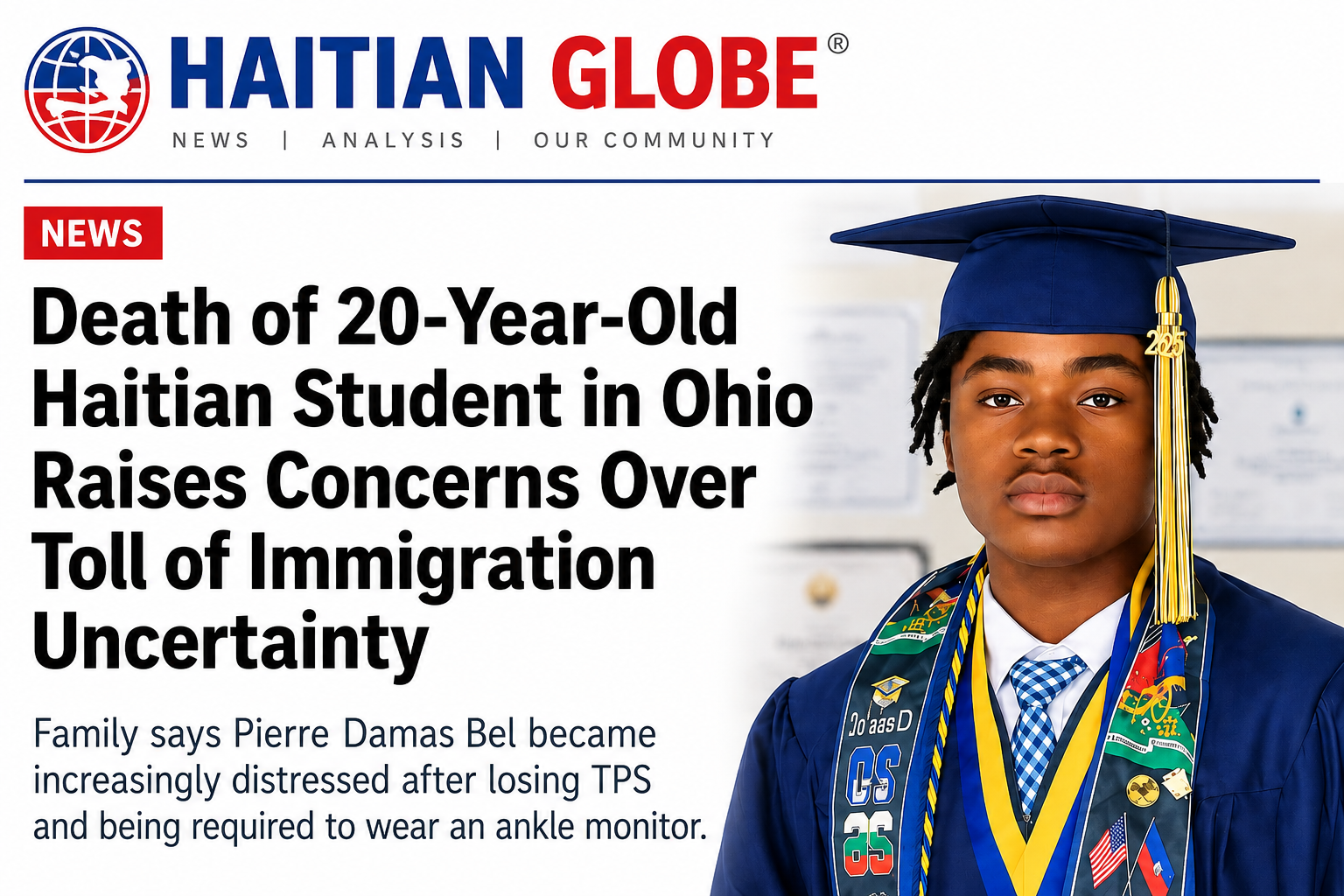
The death of 20-year-old Haitian immigrant and college student Pierre Damas Bel is drawing grief and concern in Ohio’s Haitian community, as his family says he had become increasingly distressed over his immigration status and the requirement that he wear an electronic monitoring device.
Bel died Monday, August 31, after being struck by a tractor-trailer on Interstate 70 in Clark County. According to reporting citing the Ohio State Highway Patrol, Bel had stopped his vehicle on the shoulder of westbound I-70 before exiting and entering the travel lanes. He was pronounced dead at the scene.
Authorities have not publicly issued a final determination describing his death as a suicide. However, members of Bel’s family have said they believe he took his own life.
That distinction is important as the investigation continues.
A Young Man With Ambitions
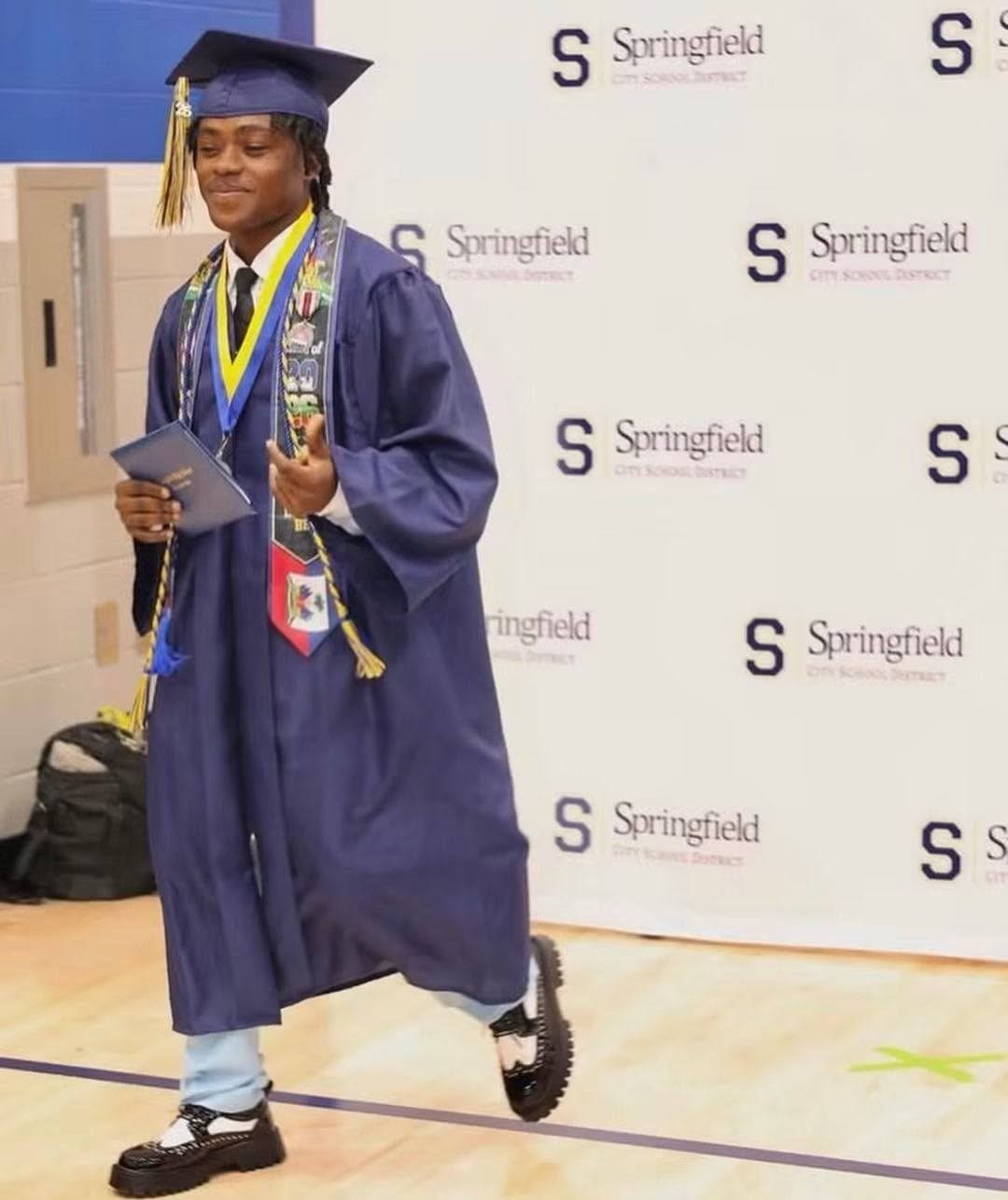
Bel had recently graduated from Springfield High School and was pursuing higher education at Wright State University.
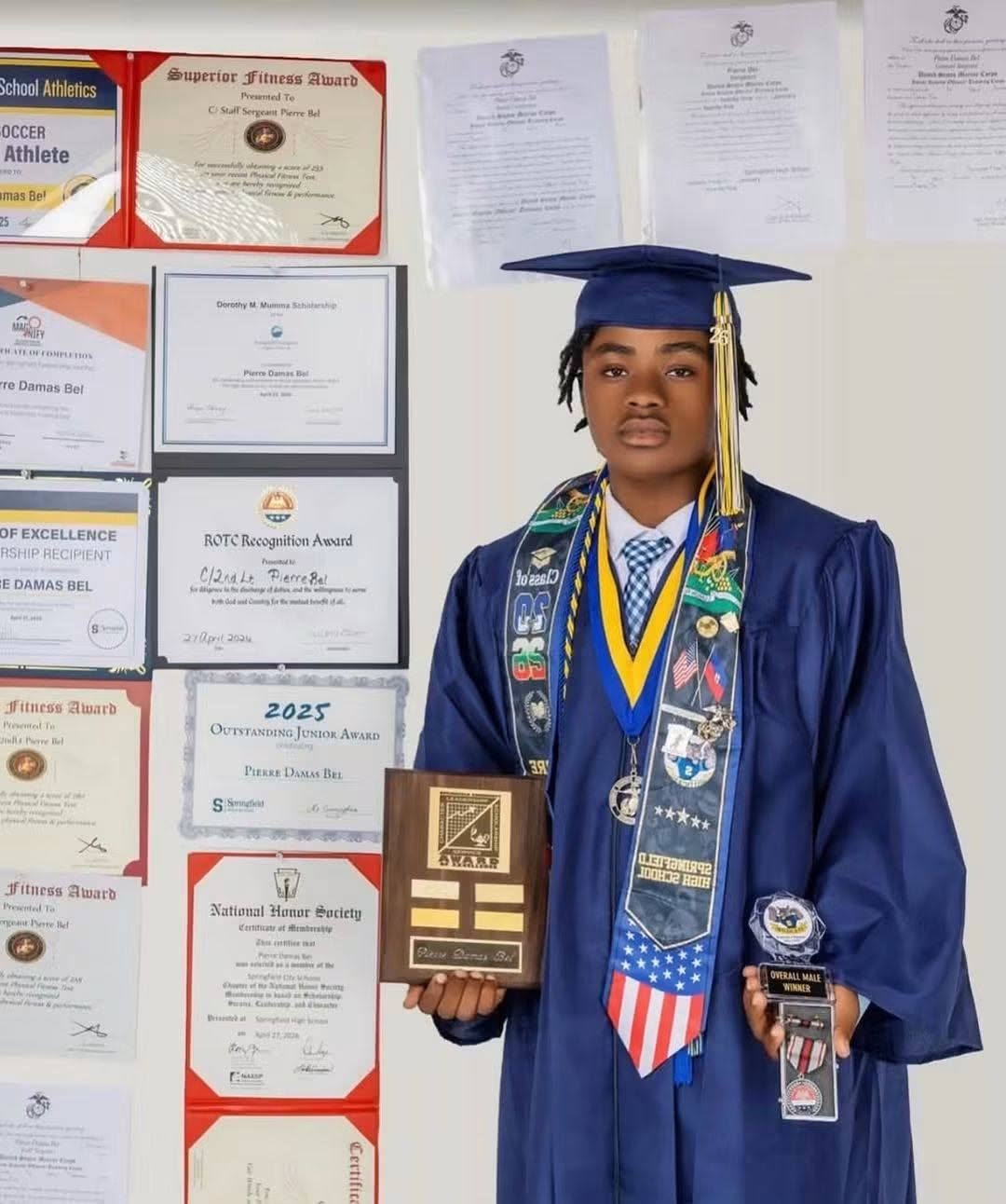
He was remembered as a strong student who participated in JROTC, enjoyed soccer and had ambitions of pursuing a career in medicine.
Springfield City School District had previously recognized Bel for academic achievement, leadership, character and service. He was also among graduating seniors who received a scholarship through the district’s Business Advisory Council Award of Excellence program.

His family said he came to the United States hoping to continue his education and build a future.
But in recent months, they say his immigration situation had become a growing source of anxiety.
Family Says GPS Monitor Became Source of Distress
Bel’s father has said his son was required by immigration authorities to wear a GPS ankle monitor and that the device caused him considerable embarrassment.
According to family accounts reported by multiple news outlets, Bel felt humiliated by having to wear the monitor while attending school and going about his daily life.
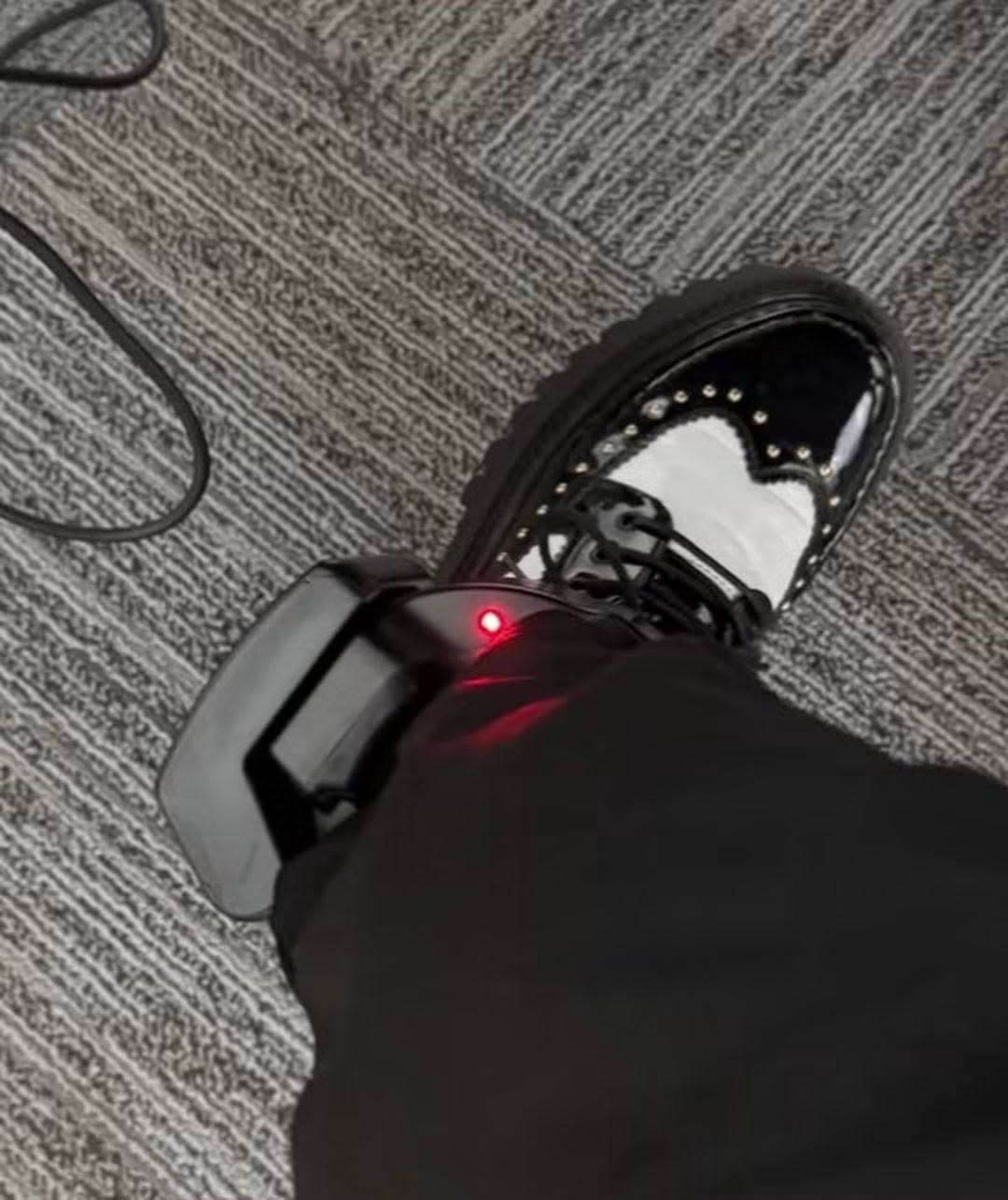
His family also said he experienced ridicule and bullying because of it.
In a social media post published weeks before his death, Bel reportedly wrote about the emotional impact of wearing the monitoring device, explaining that he had come to the United States to pursue an education and had not committed a crime.
His father has also said that Pierre contacted him shortly before his death and spoke about the emotional pressure he was experiencing.
The family believes concerns over possible deportation, the electronic monitoring requirement and bullying contributed to his distress.
Suicide, however, is complex and generally cannot be attributed to one event or circumstance alone.
Questions also remain about the specific immigration process that resulted in Bel being placed under electronic monitoring. Public reporting has linked his distress to changes in his immigration protections, but the precise circumstances of his supervision by immigration authorities have not been fully explained.
Haitian Families Face Continuing Immigration Uncertainty
Bel’s death comes during a period of significant uncertainty for Haitian immigrants living in the United States.
Temporary Protected Status, commonly known as TPS, allows eligible nationals of countries facing extraordinary conditions — such as armed conflict, natural disasters or severe instability — to temporarily live and work in the United States.
Haiti has received TPS protections over several periods because of the country’s humanitarian, political and security crises.
Recent federal policy changes and court battles over Haitian TPS have created uncertainty for hundreds of thousands of Haitians and their families, including people who have lived, worked, studied and raised children in the United States for years.
For many, the issue extends beyond immigration paperwork. The possibility of losing legal protection can affect employment, education, housing and family stability while creating fear of detention or deportation.
Haiti continues to face serious security challenges, including widespread gang violence and political instability, adding to concerns among Haitians who fear being returned to the country.
A Community Mourns
Pierre Damas Bel was only 20 years old.
He was a student, athlete and scholarship recipient who had hoped to build a professional future in the United States.
His death is now raising broader questions about the emotional impact immigration uncertainty and enforcement measures can have on young immigrants.
For Haitian families across the country, his story is especially painful because it reflects the fear many continue to experience as immigration policies and legal protections remain unsettled.
As authorities continue reviewing the circumstances surrounding his death, Bel’s family and community are mourning a young man whose life ended far too soon.
Comments (0)
Add a Comment
No comments yet