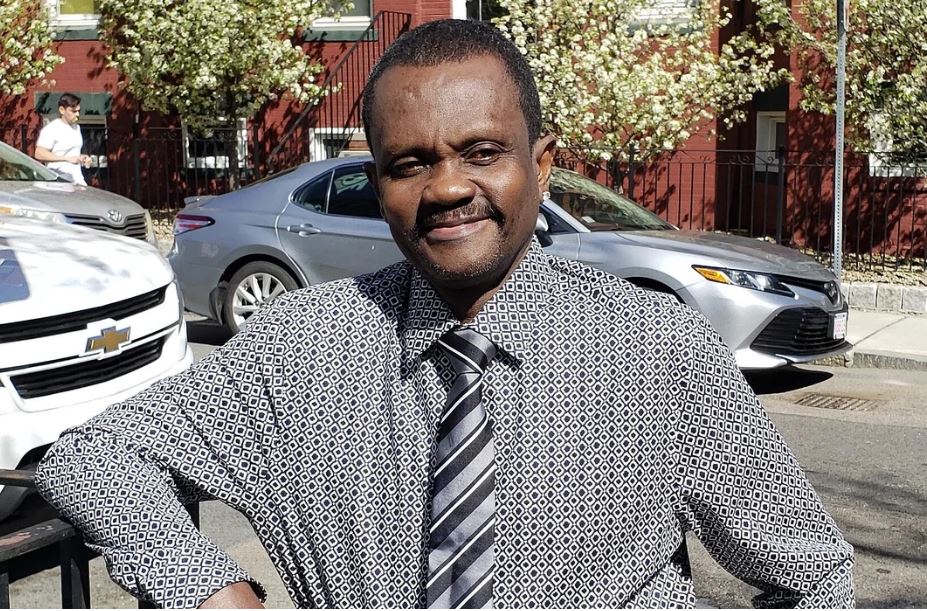
The death of Emmanuel Damas, a 56-year-old Haitian man who had been living in Massachusetts, has sparked national attention and raised troubling questions about medical care inside U.S. immigration detention facilities. Damas died on March 2, 2026, at a hospital in Scottsdale, Arizona, after weeks of worsening illness while he was being held in federal immigration custody.
According to family members, elected officials, and early reporting from multiple outlets, what began as severe tooth pain inside a detention facility ultimately escalated into a life-threatening infection that led to hospitalization, life support, and his eventual death.
At the time of the first wave of reporting, the Maricopa County Medical Examiner’s Office listed the cause of death as “pending.” Meanwhile, federal agencies responsible for Damas’s detention had not publicly released a detailed explanation of the medical care he received.
For many observers, the unanswered questions surrounding his case have become as significant as the tragedy itself. For Haitian communities in Massachusetts and across the diaspora, Damas’s death represents more than a single incident—it raises deeper concerns about whether immigration detention systems adequately protect the health and safety of the people they hold.
A Haitian immigrant seeking safety
Emmanuel Damas reportedly entered the United States in 2024 through a humanitarian parole pathway that allowed migrants from certain countries facing instability to travel to the United States with sponsorship.
Friends and relatives described Damas as a hardworking man who had fled escalating violence in Haiti. After arriving in the United States, he settled in Dorchester, Massachusetts, where he lived with family members and worked as a mechanic and handyman.
Like many Haitian migrants who arrived in recent years, Damas was attempting to rebuild his life while navigating a complex immigration system.
However, his path took a difficult turn in September 2025 when he was arrested in Massachusetts following a domestic incident involving a family dispute. According to reports citing court records, the case involved a misdemeanor assault-and-battery charge connected to an incident with his son.
After family members posted bail, Damas was taken into custody by U.S. Immigration and Customs Enforcement (ICE).
Transfer to Arizona detention
Following his arrest, Damas was transferred from Massachusetts to an immigration detention facility in Florence, Arizona.
Public reporting has identified the facility in two different ways. Some outlets described it as the Florence Correctional Center, a private facility operated by CoreCivic that houses immigration detainees. Meanwhile, a congressional oversight letter later referred to the site as the Florence Service Processing Center, an ICE detention facility in the same region.
Whether the discrepancy reflects a transfer between nearby facilities or simply inconsistent naming has not yet been clarified publicly.
What is known is that Damas remained in ICE custody in Arizona for months before the medical crisis that ultimately led to his death.
The beginning of a medical emergency
According to family accounts and reporting from local officials, the first signs of trouble began in mid-February 2026, when Damas started experiencing severe tooth pain.
His relatives say he repeatedly sought medical help inside the detention facility. Instead of receiving dental treatment, they say he was given over-the-counter pain medication such as acetaminophen or ibuprofen.
At first, the problem appeared minor. But infections originating from dental issues can spread rapidly if untreated, and family members say Damas’s condition deteriorated quickly.
By February 19 or 20, he was reportedly transferred to a hospital as his health worsened dramatically.
Doctors placed him on life support and mechanical ventilation after his condition progressed into what relatives described as a severe systemic infection, possibly sepsis.
A family searching for answers
While Damas fought for his life in the hospital, his family struggled to obtain information about his condition.
His brother, Presly Nelson, later said that family members had difficulty communicating with detention officials and hospital staff. After learning that his condition was critical, relatives traveled from Massachusetts to Arizona to see him.
When they arrived, they reportedly found Damas unconscious in a hospital bed.
Family members said they were shocked to see that he appeared to be under guard and physically restrained despite being incapacitated—details echoed in several news reports describing handcuffs or security presence in the hospital room.
For relatives already coping with the emotional shock of his sudden illness, the experience added to the sense of confusion and frustration surrounding the case.
A worsening condition and death
Reports indicate that Damas was briefly returned to detention after his initial hospitalization before his health worsened again.
He was later hospitalized a second time, with doctors reportedly planning surgery to treat the infection.
Before that procedure could take place, his condition deteriorated further.
On March 2, 2026, Emmanuel Damas died in a Scottsdale-area hospital.
At the time of initial reporting, the official cause of death remained undetermined, pending a full examination by the county medical examiner.
Congressional oversight and demands for answers
Following news of Damas’s death, members of Massachusetts’ congressional delegation demanded a full investigation into the circumstances surrounding the case.
U.S. Senators Ed Markey and Elizabeth Warren, along with Representative Ayanna Pressley, sent a letter to the Department of Homeland Security requesting a detailed explanation of the medical care Damas received while in custody.
Separately, Arizona Representative Greg Stanton also called for a “full and transparent accounting,” including:
The complete medical examiner’s report
A detailed record of all medical care provided or withheld
Information about when and how family members were notified
Details about any internal investigation conducted by ICE
Lawmakers emphasized that the government has a responsibility to ensure the safety and well-being of individuals held in immigration detention.
Limited response from federal agencies
In the days following Damas’s death, responses from federal agencies remained limited.
One ICE spokesperson said only that the agency would provide more information once it became available. Other requests for comment from journalists reportedly went unanswered.
This lack of immediate clarity has fueled further scrutiny from both lawmakers and advocacy groups.
ICE policies state that the agency typically issues a public statement about detainee deaths within two business days, followed by a full report within 90 days.
Advocates say the delay in providing details in this case has only intensified calls for transparency.
Concerns from immigrant rights advocates
Haitian community leaders and immigrant rights organizations have expressed alarm about the circumstances surrounding Damas’s death.
The Haitian Bridge Alliance, a national advocacy organization supporting Haitian migrants, described the incident as a tragic example of systemic problems in immigration detention.
Executive Director Guerline Jozef said the case highlights a broader issue affecting detainees across the country.
“People seeking safety should not die from untreated medical conditions while in government custody,” she said in a statement.
Advocates have long raised concerns about access to medical care in detention centers, particularly for dental problems and chronic illnesses that can worsen rapidly without treatment.
A larger conversation about detention conditions
Damas’s death has emerged amid a broader national debate about immigration detention conditions and oversight.
Investigations and watchdog reports in recent years have documented cases of delayed medical care, inadequate staffing, and gaps in oversight at some facilities.
The U.S. Government Accountability Office has previously urged federal agencies to improve how detention centers are inspected and monitored.
Meanwhile, immigrant rights organizations say existing oversight systems often fail to produce meaningful consequences when facilities do not meet required standards.
As immigration enforcement policies continue to evolve, cases like Damas’s have intensified calls for greater transparency and accountability.
A community mourning and seeking justice
For the Haitian community in Massachusetts and beyond, the story of Emmanuel Damas is deeply personal.
Friends and relatives remember him as a father, brother, and hardworking immigrant who hoped to find safety and opportunity in the United States.
Instead, his life ended far from home, under circumstances that remain only partially explained.
As investigations continue and officials review the case, many in the Haitian diaspora say they are watching closely—not only for answers about what happened to Emmanuel Damas, but also for assurances that similar tragedies can be prevented in the future.
For now, the questions surrounding his death remain unresolved.
And for his family, the search for answers continues.
Comments (0)
Add a Comment
No comments yet