
In a global economy increasingly shaped by communication, access to language is access to opportunity — and for millions of Haitian Creole speakers, that access has historically been limited. Today, one company is changing that reality while elevating Haitian Creole onto the global stage.
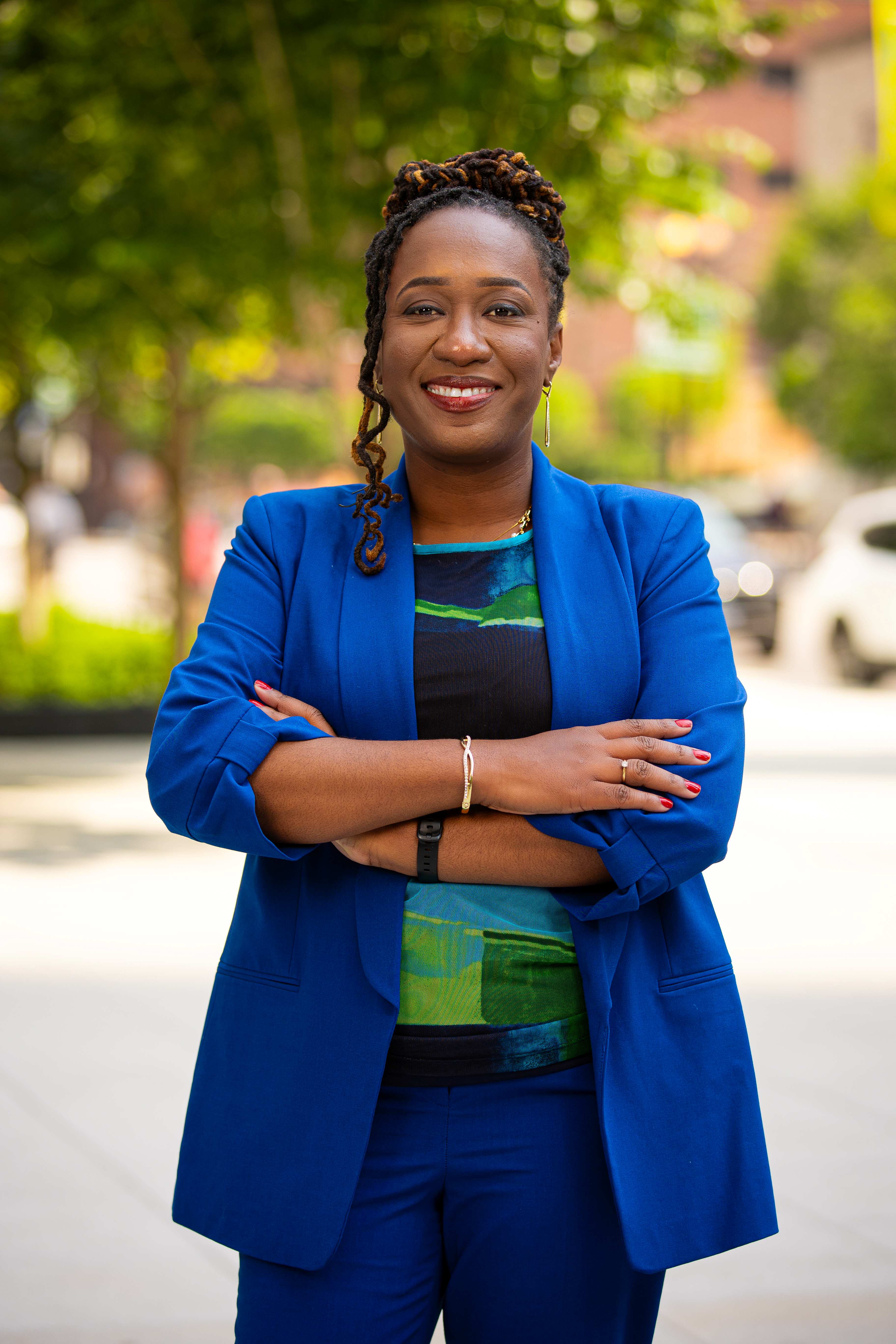
Based in Chicago, one of the most diverse and influential cities in the United States, Creole Solutions stands at the forefront of this transformation. Founded by Haitian entrepreneur and language advocate Marleen Julien, the firm operates at the intersection of language, technology, and social impact — supporting institutions across immigration law, healthcare, education, and corporate sectors both locally and nationwide.
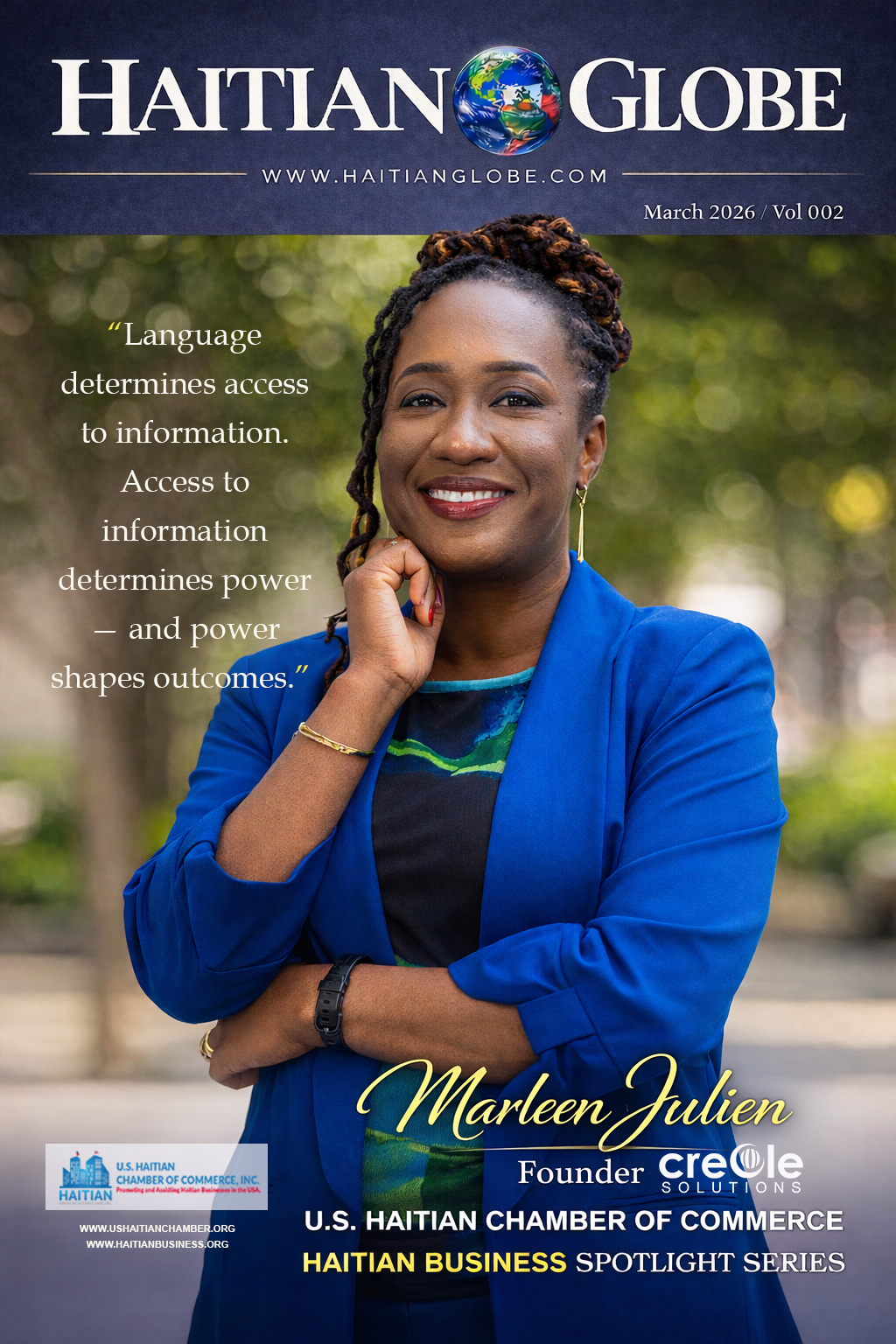
But Marleen Julien’s influence extends far beyond her company.
Recognized as a Language Influencer by MultiLingual Magazine, featured among global CEOs reflecting on the future of the language industry, and a speaker at major international platforms such as LocWorld, Julien has become a respected voice in the global localization and language access space.
Her work has contributed to major digital milestones — including helping localize a global social media platform into Haitian Creole — expanding access for millions of users and bringing underrepresented “long-tail languages” into the digital mainstream.
Beyond corporate impact, Julien is also a cultural architect. Through initiatives like KONBIT, a global conference convening technologists, educators, and language professionals, she is building an ecosystem that positions Haitian Creole not just as a language of culture, but as a language of innovation, policy, and global dialogue.
With a background rooted in international development and a career shaped by frontline experiences in interpretation, Julien has transformed her early observations of inequality into a scalable, mission-driven enterprise. Her work has been recognized across national business platforms, leadership programs, and media outlets — reflecting both entrepreneurial excellence and a deep commitment to community advancement.
At its core, Creole Solutions is not simply providing translation and interpretation services. It is building language infrastructure — embedding Haitian Creole into systems where decisions are made, opportunities are created, and futures are shaped.
As part of the Haitian Globe Business Spotlight Series in partnership with the U.S. Haitian Chamber of Commerce, we sat down with Marleen Julien to explore her journey, her mission, and her vision for the future of Haitian Creole in the global economy.
Interview Haitian Globe:
What personal experience first made you realize that Haitian Creole language access was not just a service gap, but a justice issue — and how did that moment shape your decision to build Creole Solutions?
Marleen Julien:
My understanding of language access as a justice issue began when I worked at the Haitian Consulate in Chicago 20 years ago. I regularly received calls from courts, hospitals, and public institutions asking if I could interpret for Haitian immigrants.
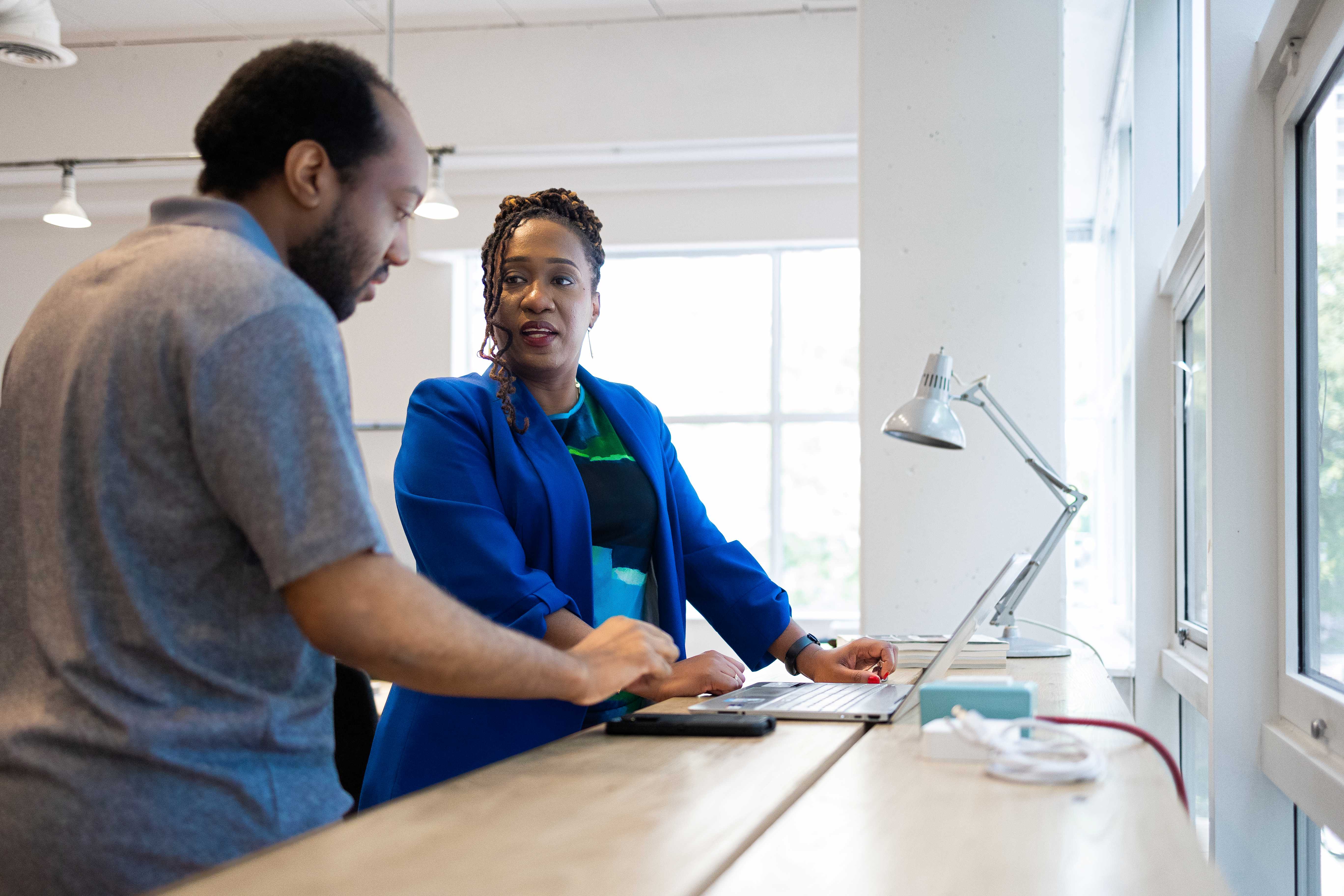
Some of those calls involved immigration hearings. Others came from healthcare providers trying to communicate with patients who did not speak English.
In immigration court, I saw how a person's ability to explain themselves clearly could determine the outcome of their case. If someone does not fully understand the questions being asked, or cannot express the details of their story accurately, their future can change — and their children's futures can change.
In healthcare settings, I witnessed Haitian patients struggling to describe symptoms, understand diagnoses, or follow discharge instructions. Critical decisions were being made without full comprehension. That is not simply a communication issue — it is a matter of equity and dignity.
When individuals were able to speak in Haitian Creole with a qualified interpreter, everything shifted. They were calmer. They were clearer. They were able to tell their story in their own words.
As a Haitian woman raised in a culture where storytelling carries deep meaning, I understood that language is more than vocabulary — it carries memory, trauma, faith, humor, and resilience. To deny someone access to their language in critical moments is to deny them access to themselves.
That realization shaped my decision to build Creole Solutions. I wanted to create systems where Haitian Creole would be present wherever life-altering decisions are made.
Haitian Globe:
You often speak about operating “where language determines power.” Can you explain how language access directly impacts outcomes in immigration courtrooms, healthcare systems, and schools for Haitian families?
Marleen Julien:
Language determines whether a person is fully seen and understood within a system.
In immigration courtrooms, when individuals recount traumatic experiences, they need to do so in the language in which those experiences were lived. Speaking in Haitian Creole allows them to communicate nuance, emotion, and cultural context — and that clarity can directly influence case outcomes.
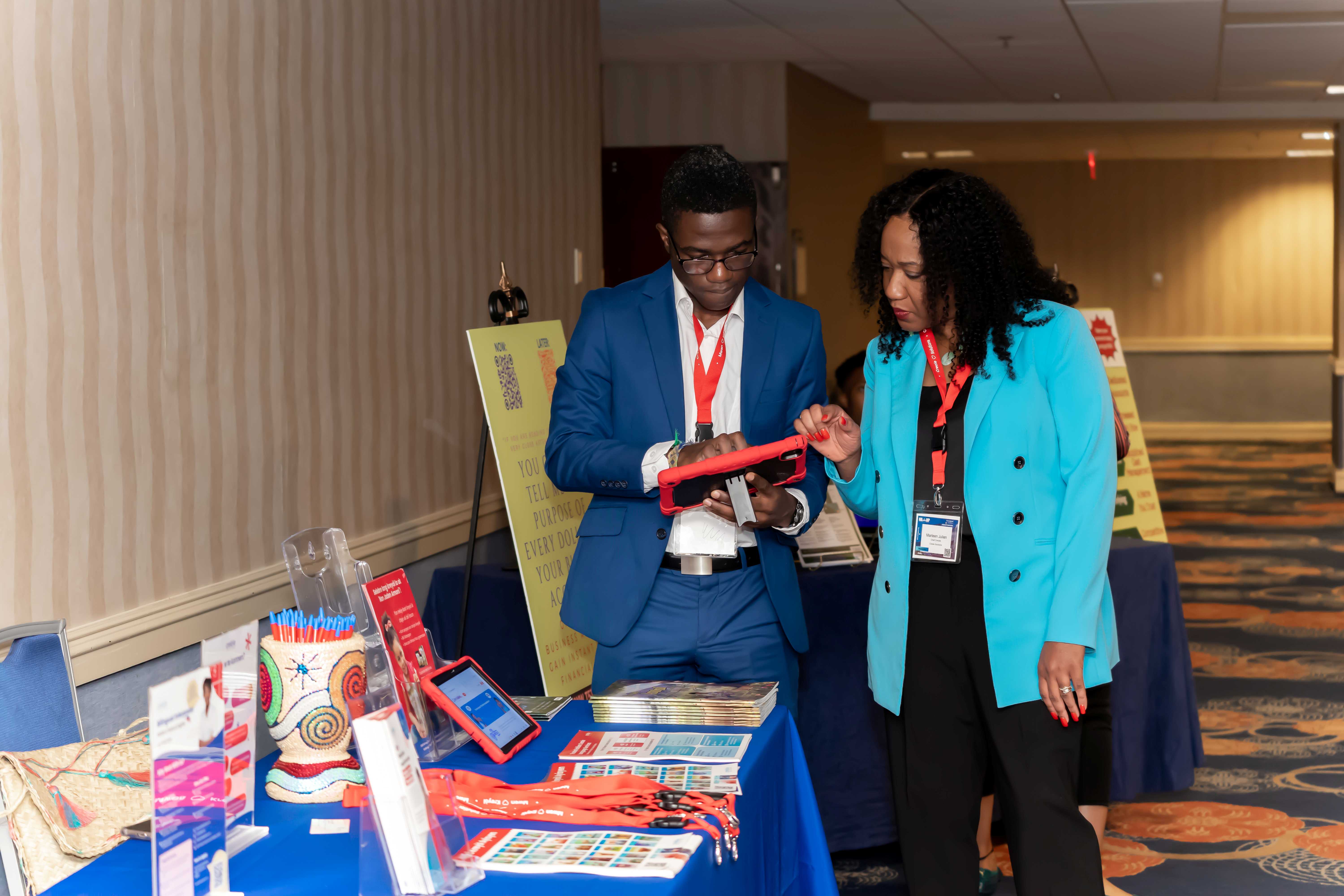
In healthcare, the absence of language access increases risk. When patients do not understand instructions or consent forms, their health outcomes suffer. But when information is available in Haitian Creole, patients engage more actively in their care.
In schools, language access strengthens family involvement. When parents can communicate with teachers in Creole, they are more likely to advocate for their children.
Language determines access to information. Access to information determines power — and power shapes outcomes.
Haitian Globe:
Creole Solutions emphasizes building infrastructure rather than simply offering translation. What does “language infrastructure” mean in practical terms?
Marleen Julien:
Language infrastructure means embedding Haitian Creole into systems so that it becomes a permanent and structured presence.
We have translated major digital platforms, e-learning systems for healthcare workers, and hospital portals containing vital patient information. But beyond that, we develop terminology, build glossaries, and train qualified linguists who understand both professional standards and Haitian cultural context.
We are not simply translating words — we are institutionalizing a language so that Haitians can author their own story within the systems that shape their lives.
Haitian Globe:
Haitian Creole has historically been dismissed in professional environments. What barriers have you faced in elevating it to institutional legitimacy?
Marleen Julien:
One major barrier is the misconception that Haitian Creole is a dialect of French — it is not. It is a fully developed language with its own structure and history.
There is also internalized stigma. Many Haitians were not encouraged to write professionally in Creole. French and English were often framed as the languages of authority.
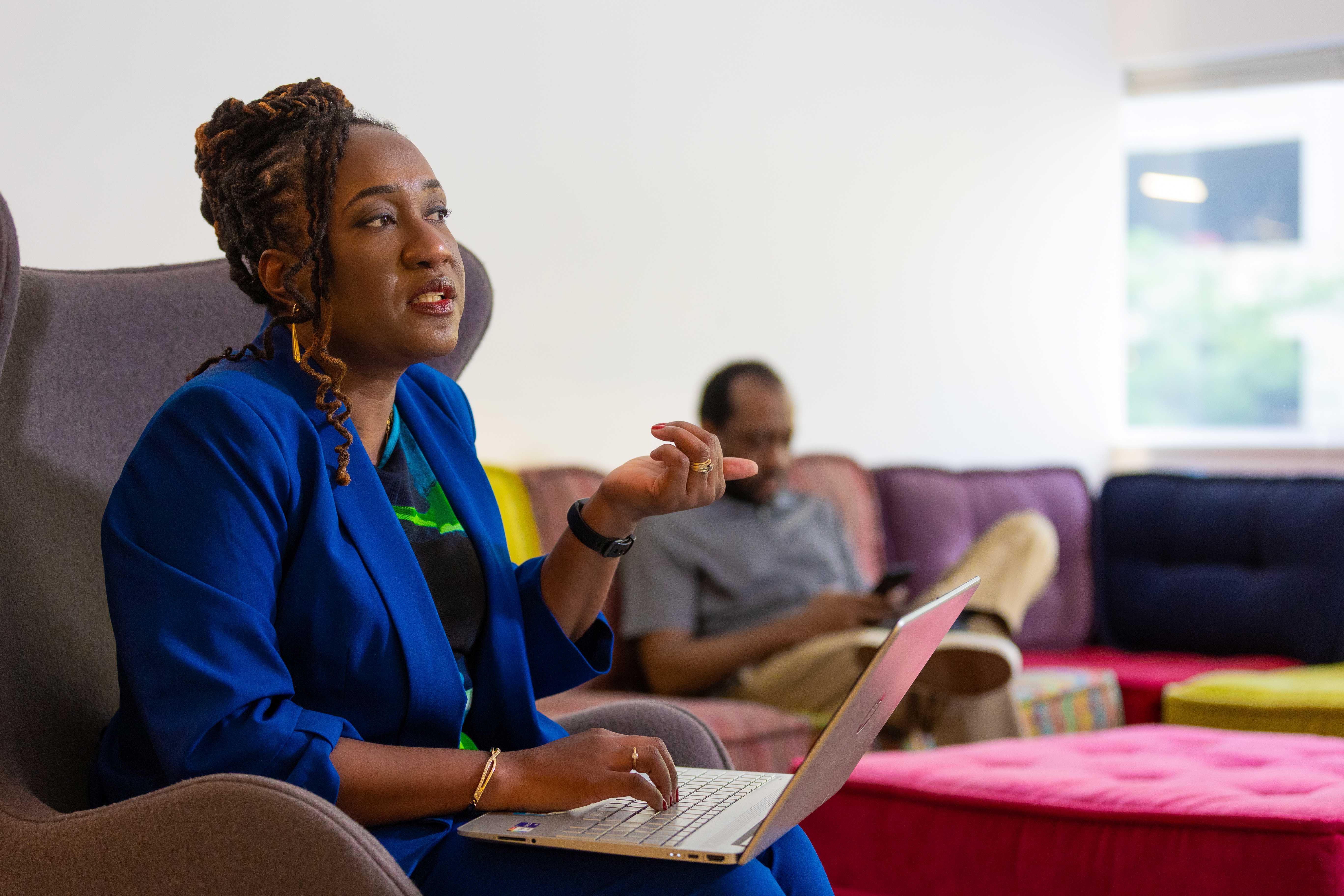
We challenge these perceptions through visibility and education. We teach grammar, orthography, and linguistic structure. We conduct presentations entirely in Creole to demonstrate that professionalism and Creole are not mutually exclusive.
By using Haitian Creole in formal spaces, we redefine what legitimacy looks like.
Haitian Globe:
You’ve created opportunities for over 100 language professionals. How does Creole Solutions contribute to economic empowerment?
Marleen Julien:
We transform language into a structured profession.
We provide training in interpretation, translation, localization, and professional standards. Many of the professionals we have trained have gone on to establish their own businesses or serve international clients.
In Haiti, where economic opportunities can be limited, language becomes both cultural preservation and economic mobility. By professionalizing Haitian Creole, we expand pathways to income and global participation.
Haitian Globe:
You’ve achieved major milestones — from global recognition to national contracts. Which one was most transformative?
Marleen Julien:
While public recognition and institutional contracts were meaningful, the Goldman Sachs 10,000 Small Businesses program was the most transformative for me.
It shifted my perspective from operating as an interpreter to leading as a CEO. I began focusing on systems, scalability, and long-term vision.
That experience marked the transition from individual service to institutional leadership.
Haitian Globe:
You’ve said innovation is not just about technology, but about systems. How are you shaping the next generation?
Marleen Julien:
Through social media and digital learning, we educate our audience about grammar, vocabulary, linguistic history, and cultural traditions.
We are building structured pathways for heritage learners to read, write, and speak Haitian Creole confidently. We emphasize literacy, professional terminology, and cultural pride.
We are shaping a generation that understands their language as intellectual capital — not just cultural heritage.
Haitian Globe:
Looking ahead, what is your vision for Haitian Creole globally?
Marleen Julien:
I envision Haitian Creole fully institutionalized in global systems — across technology platforms, universities, international organizations, and policy environments.
The diaspora must play an active role by advocating for language access policies, supporting Haitian-led research, and investing in professional development.
Language justice is about dignity, economic access, cultural preservation, and narrative authority. When Haitian Creole is institutionalized, our communities gain lasting power.
Final Thoughts
Creole Solutions is not just a language services company — it is a movement.
Through her leadership, Marleen Julien is redefining what it means to build a business rooted in culture, purpose, and systemic change. By elevating Haitian Creole from overlooked to indispensable, she is ensuring that Haitian voices are not only heard — but understood, respected, and empowered.
As the Haitian diaspora continues to expand its influence across industries and borders, companies like Creole Solutions remind us that true progress is not just about access — it is about equity, identity, and ownership of our narrative.
Comments (0)
Add a Comment
No comments yet