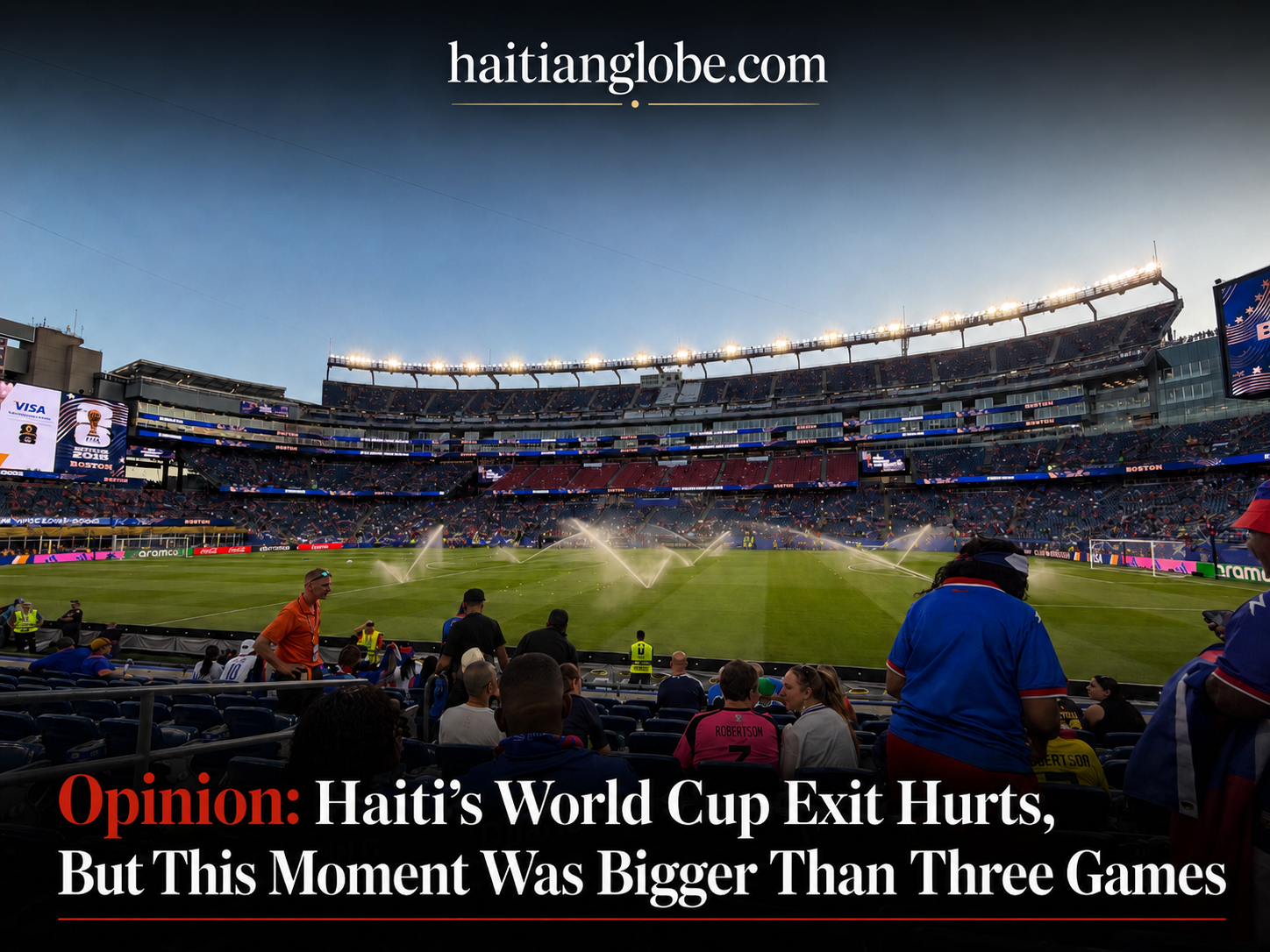
Haiti’s 2026 FIFA World Cup journey ended earlier than many of us hoped. Three games. Three defeats. Elimination from Group C.
There is disappointment. There should be disappointment. Haitians are passionate people, and when Les Grenadiers step onto the field, we do not simply watch as fans. We watch as a nation. We watch as a diaspora. We watch with history, pride, frustration, pain, and hope all sitting in the same room.
But if we reduce Haiti’s 2026 World Cup participation to only the scoreboard, we will miss the bigger story.
A Historic Return After More Than Five Decades
This was Haiti’s first men’s World Cup appearance since 1974. For more than five decades, generations of Haitians grew up hearing about the dream of returning to football’s biggest stage.
In 2026, that dream became real again. The Haitian flag flew in host cities across the United States. Our anthem played before the world. Our people traveled, gathered, marched, danced, sang, celebrated, debated, prayed, and supported their team.
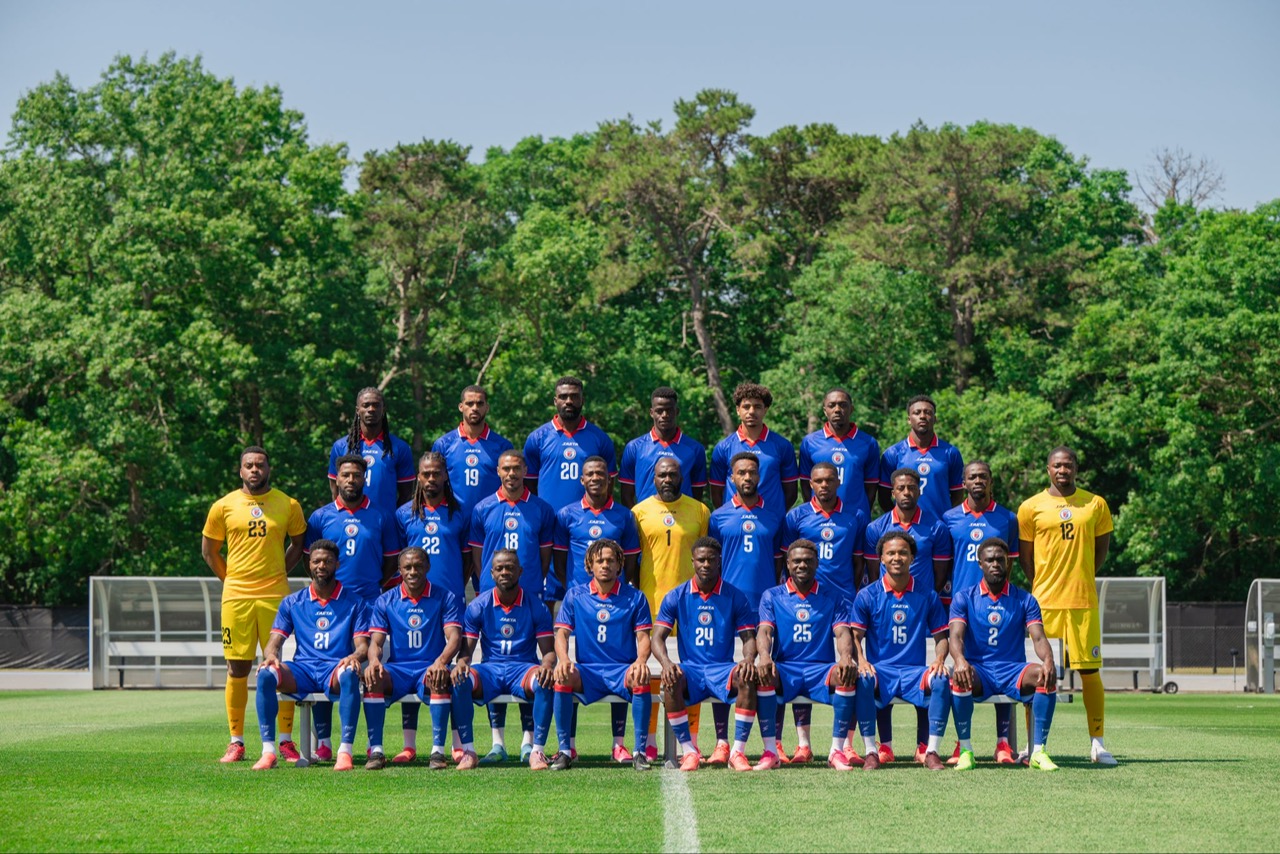
From Foxborough to Philadelphia to Atlanta, we saw something powerful: the Haitian community showed up.
We saw fans traveling from different states and countries. We saw Haitian flags in stadiums, restaurants, streets, hotel lobbies, community spaces, and public events. We saw fan marches, major conferences, watch parties, concerts, cultural gatherings, business networking events, and celebrations centered around Haiti’s presence on the world stage.
We saw Discover Haiti events designed to introduce the beauty, history, culture, business potential, and resilience of Haiti to a broader audience. We saw Haitian restaurants filled with supporters. We saw families bring their children so they could witness a historic moment. We saw young people wearing the colors proudly. We saw community leaders, artists, entrepreneurs, elected officials, professionals, and everyday fans come together around one flag.
That matters.
It matters because this World Cup was not only about football. It was also about image, identity, visibility, and organization. For a country too often defined internationally by crisis, Haiti’s participation created an opportunity to show another side of who we are: creative, resilient, proud, talented, entrepreneurial, cultural, and deeply connected wherever we live.
Community, Business, and Diaspora Mobilization
Several community organizations also played a role in helping Haitians gather around this historic moment. Among them, the U.S. Haitian Chamber of Commerce, a national business association with 10 years of experience supporting Haitian and Haitian American businesses, helped promote World Cup-related activities and connect businesses, restaurants, and community partners through HaitianBusiness.org.
The platform gave businesses and organizations a simple way to share events, promote activities, sell tickets, and stay connected during the World Cup season, showing how major global moments can also create visibility for local Haitian businesses and community spaces.
For Haitian businesses, the World Cup was not just a tournament. It was a chance to be seen. A chance to serve. A chance to connect. A chance to turn cultural pride into economic activity.
The Pain of Elimination
Of course, the painful part remains: Haiti did not advance.
Now many people are searching for who to blame.
Was it the players? Was it the coach? Was it the referees? Was it the Haitian Football Federation? Was it the Haitian government? Was it poor preparation? Was it lack of investment? Was it the pressure of the moment? Some will even go further and ask the painful, emotional question Haitians sometimes ask when disappointment repeats itself: Are we cursed as a people?
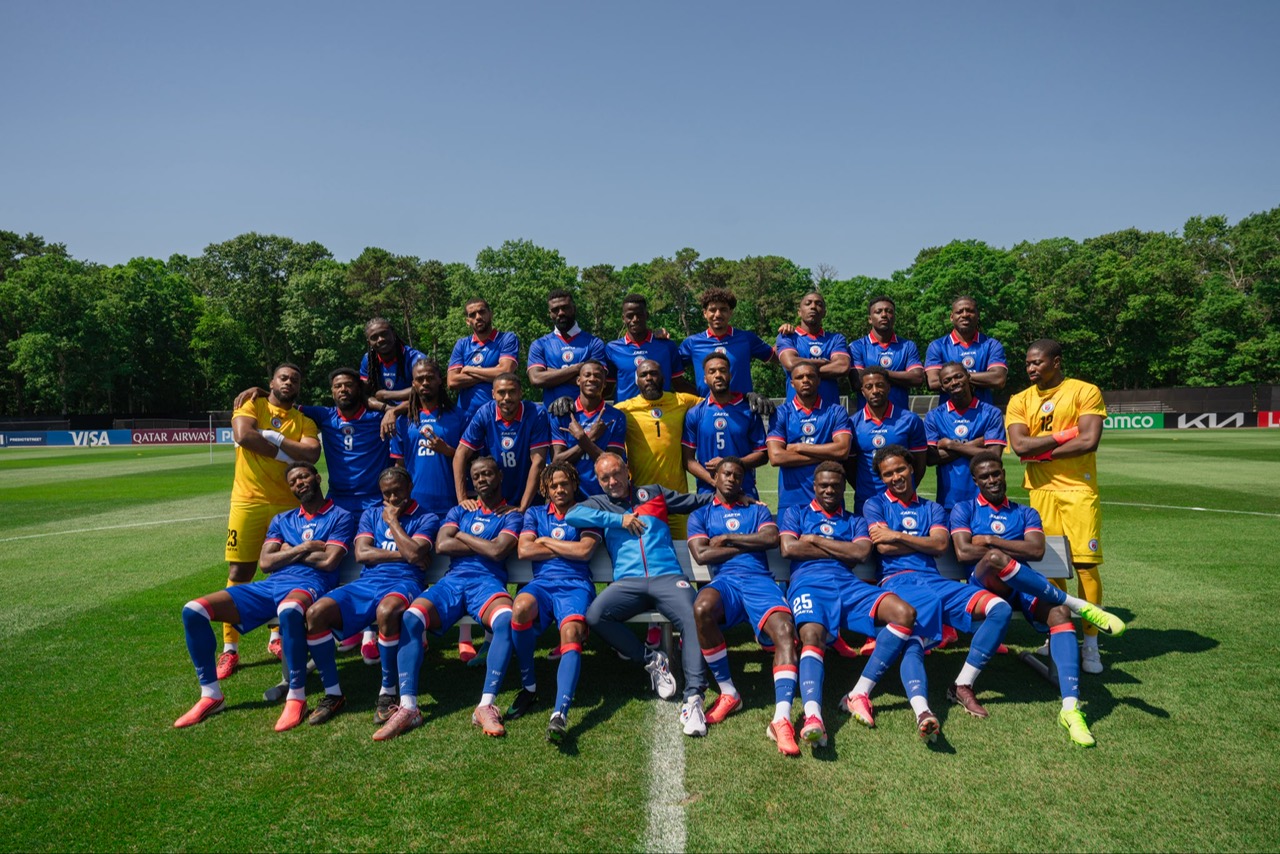
We understand the frustration. But blame alone will not build the future.
Yes, Haiti could have done better. Yes, there were mistakes. Yes, there are serious questions that must be asked about preparation, tactics, player development, federation leadership, infrastructure, government support, and long-term planning. We should not be afraid to ask those questions.
But we should also be honest enough to recognize that disappointment in football is not unique to Haiti.
Football Can Be Cruel, Even to Great Nations
Italy, one of the greatest football nations in the world, did not even qualify for the 2026 FIFA World Cup. This is a country with World Cup trophies, legendary players, historic clubs, and a powerful football system. Yet they were not part of this tournament.
Uruguay, another historic football nation and former World Cup champion, also suffered a painful early exit in 2026. Other respected teams have struggled, disappointed their fans, or failed to meet expectations. Football can be cruel. Big names do not guarantee success. Passion does not guarantee results. History does not automatically win matches.
So yes, we can always find someone to blame.
But after the anger, what comes next?
That is the real question.
The Lesson Must Be Preparation, Not Retreat
The lesson from 2026 should not be that Haiti failed and must retreat. The lesson should be that Haiti returned, learned, and must now prepare better.
If we want to come stronger in 2030, we need more than emotion. We need structure.
We need better youth development. We need stronger local leagues. We need investment in training facilities. We need scouting systems that connect Haiti and the diaspora. We need support for coaches, referees, medical staff, sports administrators, and women’s and men’s programs. We need serious partnerships between the private sector, government, football authorities, and the diaspora.
We need to stop treating Haitian football as something we only discuss when the national team is playing. The work must happen between tournaments, not only during tournaments.
We also need to understand that sports and economic development can work together. The same energy that filled watch parties, concerts, conferences, restaurants, and cultural events can be organized into long-term opportunities. Haitian businesses should be part of the ecosystem. Haitian media should be part of the storytelling. Haitian organizations should be part of the planning. Haitian youth should be part of the future.
Why 2026 Still Matters
That is why the 2026 World Cup still matters, even after elimination.
It showed us what is possible when Haitians mobilize around a shared moment. It showed us that our people will travel, spend, organize, promote, volunteer, celebrate, and support when they feel connected to something bigger. It showed us that the diaspora is not disconnected from Haiti. The diaspora is one of Haiti’s greatest strengths.
But it also showed us what must improve.
We cannot wait another 52 years to feel this again. We cannot allow this moment to become only a memory, a few photos, and a painful debate about missed chances. We must turn it into a plan.
- A plan for 2030.
- A plan for Haitian football.
- A plan for Haitian youth.
- A plan for our businesses, our culture, our image, and our national pride.
Les Grenadiers may have exited early, but Haiti did not leave empty-handed. We left with lessons. We left with visibility. We left with proof that the Haitian people, when mobilized, can create a powerful global presence.
The disappointment is real.
But so is the opportunity.
Now is not the time to destroy each other with blame. Now is the time to reassess everything, learn from our mistakes, organize better, invest smarter, and move forward.
The scoreboard says Haiti is out.
The bigger message says Haiti has work to do — and Haiti must come back stronger.
Grenadye Alaso. Ayiti pa fini.
Photo Credit: FHF and Haitian Globe
Comments (1)
Add a Comment
Lorna Dulme
June 28, 2026Thank you for this thoughtful article. Instead of looking for someone to blame, why can’t we all come together and work toward the same goal? Haiti needs unity now more than ever.